The lasting impact on communities

Understanding intergenerational trauma
The dark legacy of residential schools extends far beyond the direct survivors. It appears as intergenerational trauma, a cycle of pain, suffering, loss of culture, and language passed down through families. This trauma can lead to significant challenges, impacting the well-being and development of future generations.
Historical trauma happens when the effects of past oppression are passed down through generations. In Canada, for over 100 years, the government supported Residential Schools where Indigenous children were taken from their families and communities. These schools aimed for forced adaptation of Canadian culture, which has been described as cultural genocide.
Ongoing challenges and resilience
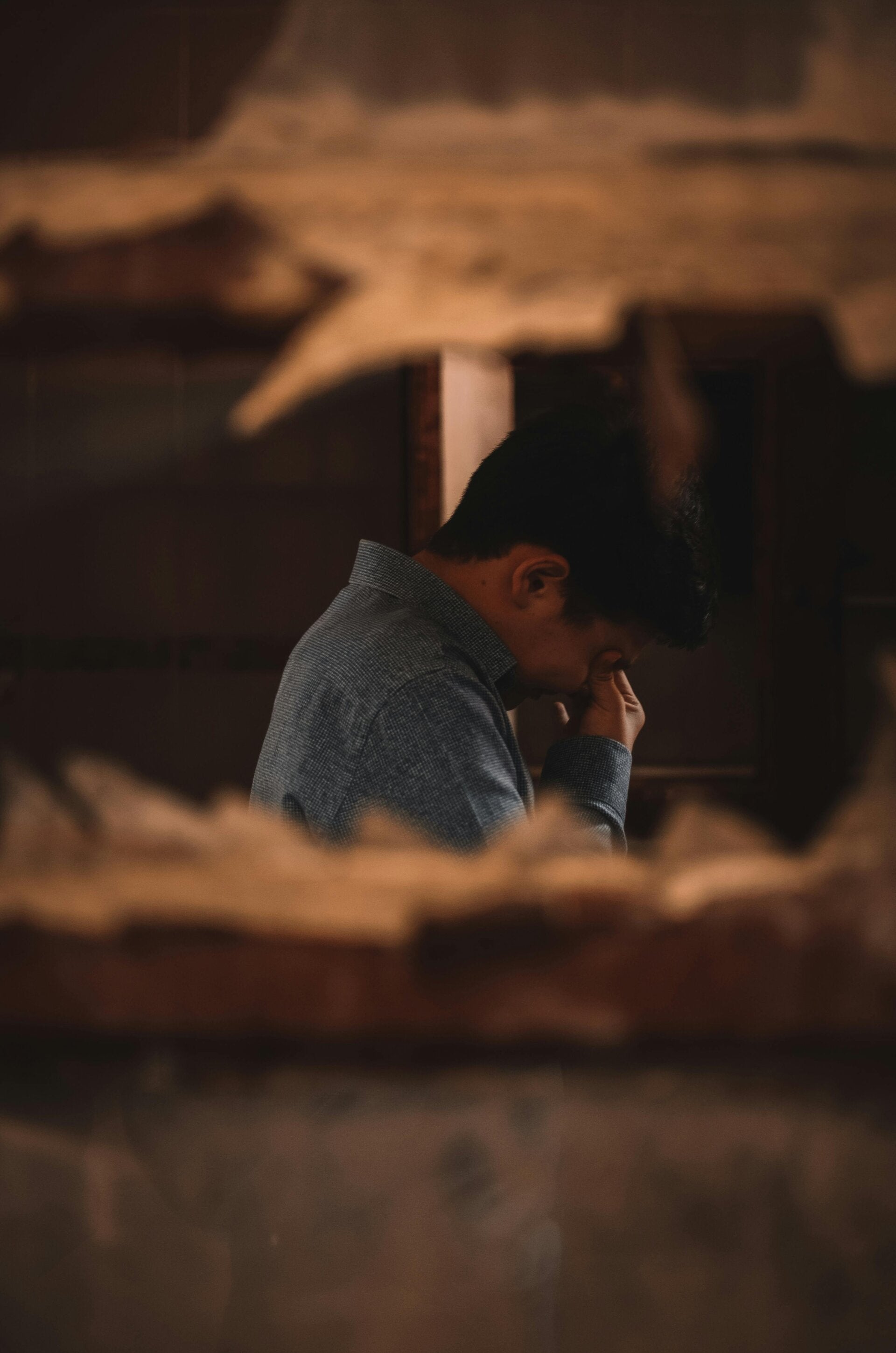
Communities grapple with the direct consequences of residential schools, including widespread issues such as substance abuse and mental health challenges.
Many children left these schools without the skills, support, or sense of identity needed to live in either Indigenous or non-Indigenous society. As a result, the trauma they experienced didn’t end with them—it has continued to affect their children and grandchildren. This ongoing impact is known as intergenerational trauma.
These problems are often rooted in the historical abuse and cultural suppression experienced by survivors, contributing to a complex web of social difficulties. The impact is seen in increased rates of homelessness and involvement in the justice system, reflecting the deep scars left on individuals and families.

Paths to healing and support
Despite the immense challenges, Indigenous communities are demonstrating incredible resilience and actively engaging in healing efforts. These include cultural revitalization programs, traditional ceremonies, and community-led initiatives that foster a sense of belonging and support. The focus is on rebuilding strength and well-being, acknowledging the past while moving towards a brighter future.
“Reconciliation must start with the truth – a truth that I and thousands of Survivors lived through and continue to feel; a truth that was thought to have perished along with the thousands of children who never returned home. Many still don’t know. It is the responsibility of our government, our churches, and our collective peoples to uncover the truth and honour the children.”
- Jimmy Durocher, Métis residential school Survivor
Create Your Own Website With Webador